What Property Owners Should Know Before Scheduling Biohazard Cleanup or Odor Elimination
When a property suddenly smells wrong, looks contaminated, or has been through a leak, flood, fire, or storm, most owners want the same thing: get someone out here fast and make the problem disappear. That instinct makes sense. It is also where expensive mistakes tend to begin.

Biohazard cleanup and odor elimination are not always isolated services. In real properties, they often sit inside a bigger damage story. A bad odor may trace back to hidden moisture. A contamination concern may be tied to storm intrusion. Smoke odor may follow a fire event, but the work can also involve water damage restoration Central Florida owners deal with after suppression efforts or heavy weather. If the building is older, damaged materials may raise a separate concern about asbestos abatement Groveland FL property owners sometimes need to think about before demolition or disturbance begins.
That is why the first call matters, but the first set of questions matters even more.
The biggest mistake is treating the symptom like the whole problem
A lot of property owners focus on what they can sense right away. They smell something musty, sour, smoky, or stale, so they ask for odor elimination. They see a visibly affected area and ask for cleanup of that exact spot. The problem is that odor and visible contamination are often signals, not full diagnoses.
Florida health guidance is very clear on one point that should shape how owners think about these situations: mold is strongly linked to moisture. That may sound obvious, but in practice it changes the scope of the job. If water has been standing for even 24 hours, common molds can begin to take hold. In a humid climate, especially across Lake, Orange, Seminole, and Osceola counties, that timeline matters. If someone deodorizes a room but the leak, wet wall cavity, or humidity problem remains, the smell often comes back because the source was never corrected.
The same logic applies after storms. CDC disaster cleanup guidance emphasizes that drying the home and removing water-damaged items is the most important step to prevent mold damage after flooding. So if you are scheduling storm damage restoration Florida property owners commonly need after severe weather, do not let the conversation stay limited to smell. Ask how the structure will be dried, what materials may need removal, and whether hidden moisture is part of the assessment.
Fast response matters, but speed without scope is not enough
There are good reasons people search for 24/7 emergency restoration. Water moves. Odors spread. Damp materials worsen. Delays can expand the cost of the loss. Still, emergency response should not mean rushing into demolition, chemical use, or equipment placement without a clear understanding of what has actually been affected.
A strong emergency visit usually balances urgency with judgment. The immediate goals may be stabilization, drying, isolation of the affected area, and identifying obvious hazards. The deeper scope may come after that, once the team can see where moisture traveled, what materials were damaged, and whether separate issues such as mold, smoke residue, or suspect asbestos-containing materials are in play.
That distinction is especially important in older homes and buildings. EPA guidance says asbestos may be found in older properties, and renovation or damage to materials such as floor tile, ceiling tile, pipe wrap, siding, or shingles can disturb it. If a property has had fire damage restoration work, storm damage, or invasive demolition after a contamination event, those damaged materials may need more caution than owners expect. The urgency of cleanup does not cancel the need to avoid disturbing suspect material.
Why the words on the estimate matter
Owners often compare bids by price and speed. Those matter, but wording matters just as much. “Clean,” “sanitize,” “deodorize,” “remove damaged material,” and “restore” are not interchangeable. If you are scheduling biohazard cleanup or odor elimination, ask what problem the company believes it is solving and how far the work extends.
A company may be able to remove odor from accessible surfaces, but that does not necessarily mean the odor source inside insulation, under flooring, or inside HVAC components has been addressed. A team may remove visible mold growth, but Florida health guidance says if mold returns quickly, an underlying leak or moisture source should be fixed first. That means the estimate should show whether the contractor is only treating the symptom or also pursuing the source.
This is where the phrase IICRC-certified remediation can be useful, not as a magic label, but as a signpost for process. The IICRC publishes standards relevant to water damage restoration, mold remediation, HVAC assessment after water, fire, or mold damage, and fire and smoke damage restoration. An owner does not need to memorize standard numbers, but it helps to know that there are recognized frameworks for how restoration work should be approached. A contractor who can explain their assessment in plain language tends to be easier to trust than one who relies on vague promises.
Odor elimination is usually a building investigation in disguise
People tend to think of odor elimination as a finish step, something cosmetic. In many properties, it is more like detective work.
A persistent odor can come from moisture trapped behind baseboards, water-damaged contents, soot or smoke residue after a fire, microbial growth in porous materials, or contamination circulating through the air system. In Florida, humidity can amplify all of that. If indoor relative humidity stays above 60 percent, conditions remain friendly to mold. Florida health guidance specifically recommends keeping indoor humidity below 60 percent. If a central HVAC system needs a dehumidifier to get there, the air conditioning system should be examined for problems.
That point gets overlooked all the time. Owners replace soft goods, repaint walls, or pay for deodorizing treatments, yet the air handler, duct system, or cooling performance never gets checked. When HVAC mold is part of the picture, odors can keep recirculating. Florida health guidance also says that if HVAC may be contaminated with mold, homeowners should consult EPA guidance before taking further action. In practical terms, that means owners should slow down and make sure the contractor is assessing the system, not just treating occupied rooms.
I have seen many situations where the complaint was “the house smells damp every afternoon,” and the issue turned out to be less about a dirty room and more about moisture management across the building. The odor was real, but the path to solving it started with where the water was coming from and how the air system was performing.
Special caution in older or heavily damaged buildings
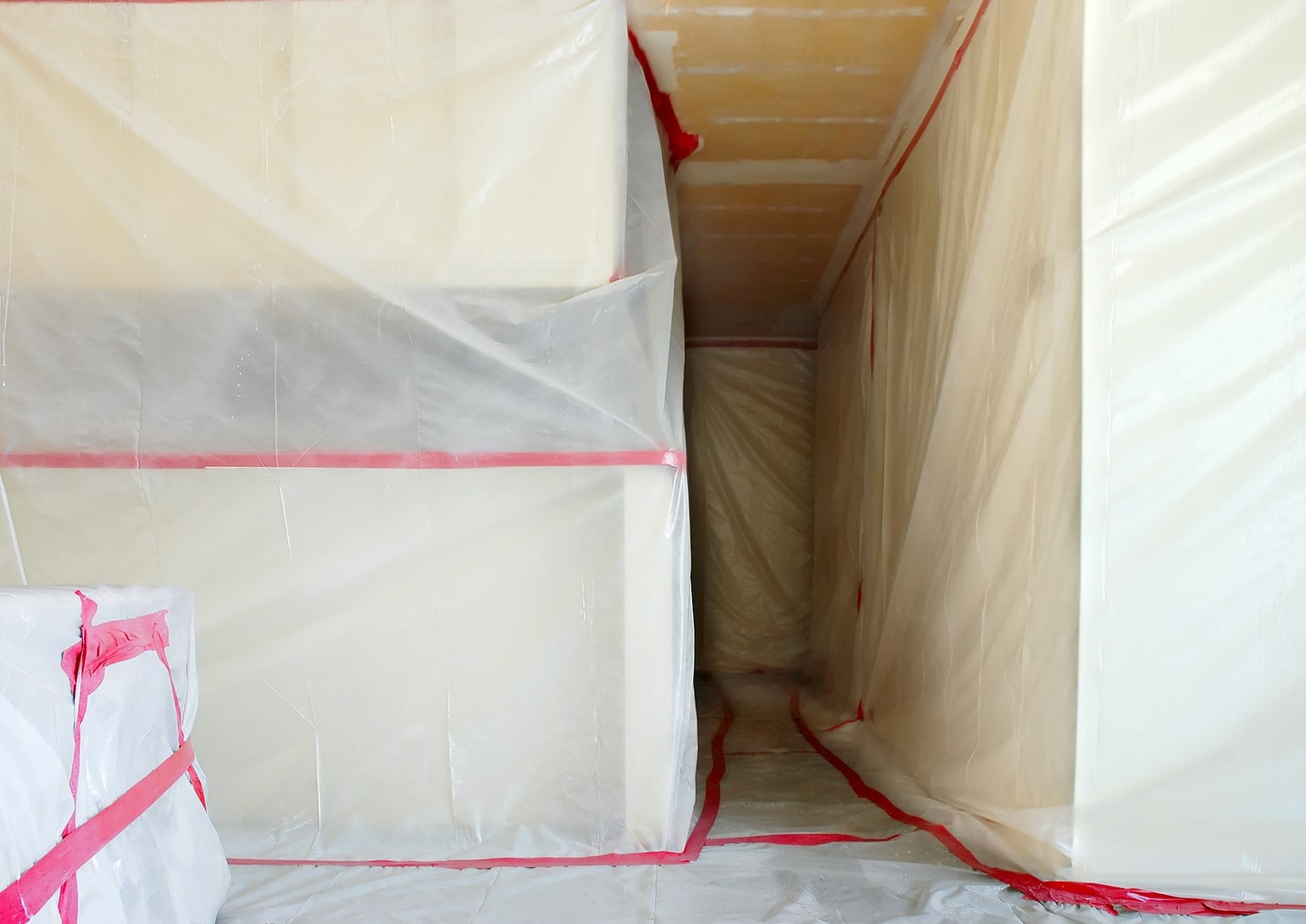
If your property is older, or if walls, ceilings, pipe chases, flooring, or exterior materials may need to be opened up, asbestos should be part of your thinking even if biohazard cleanup is the original reason for the call.
Florida’s asbestos program is intended to minimize the release of asbestos fibers during abatement, remediation, handling, and disposal of asbestos-containing materials. EPA guidance advises using a properly trained and accredited asbestos professional if the material is damaged or if renovation could disturb it. That advice becomes relevant faster than many owners realize. A cleanup project that starts as “remove damaged drywall and flooring” can shift the moment someone suspects older tile, mastic, pipe wrap, ceiling material, or siding.
For owners in Central Florida, it is helpful to know that state guidance can legitimately group Lake, Orange, Seminole, and Osceola counties together under the Central District asbestos program. So if you are coordinating work across multiple properties in this region, do not assume each county operates in complete isolation on this issue. Ask whether the planned work could disturb suspect materials before authorizing tear-out.
That does not mean every older building has asbestos, and it does not mean every cleanup requires asbestos abatement Groveland FL owners sometimes search for. It means demolition decisions should be made carefully when there is a reasonable chance those materials are present.
A short list of questions worth asking before you sign
Most owners do not need to become technical experts. They do need to ask better questions up front.
- What do you believe is causing the odor or contamination, and how will you confirm it?
- Are you addressing the source of moisture or damage, or only the visible and accessible area?
- Could this job involve mold remediation Lake County properties often need after leaks, flooding, or high humidity?
- Will any part of the work disturb older building materials that may require asbestos caution?
- How will the HVAC system be evaluated if odor, moisture, fire, or mold may have affected it?
Those five questions can save a surprising amount of money and frustration. They force the scope conversation to become specific.
Fire, water, storms, and biohazards often overlap
Owners like clean categories because categories help with budgeting and insurance conversations. Real losses rarely stay inside one category.
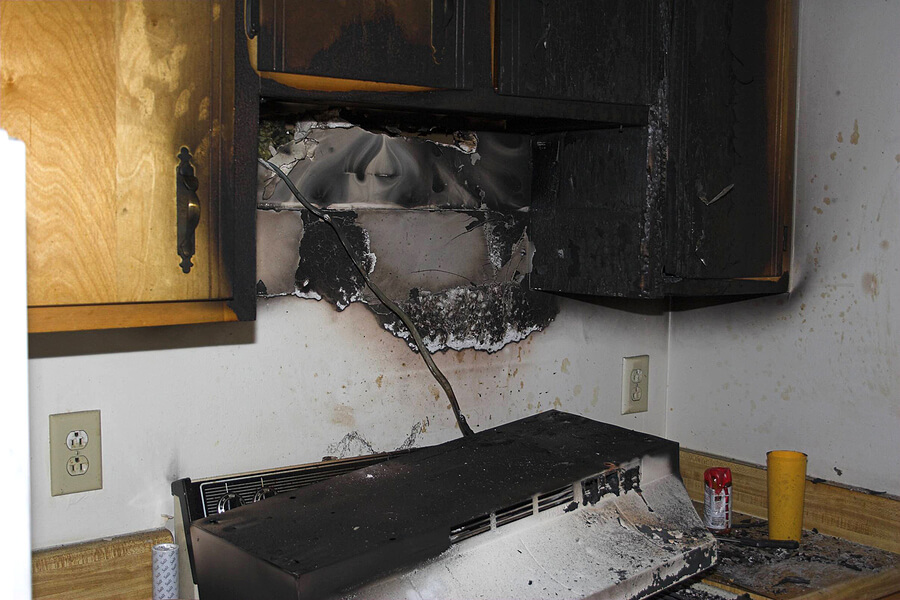
A fire can lead to smoke odor, soot residue, and water intrusion from suppression. That means fire damage restoration may overlap with drying, odor elimination, and HVAC assessment. A storm can drive rain into a property, soak contents, and create conditions for mold within a short period. In Florida, where severe weather and humid recovery conditions often arrive together, storm damage restoration Florida jobs can quickly become mold jobs if drying lags.
Even when the original event is not weather-related, moisture still tends to control the outcome. Florida health guidance says mold in homes should be removed promptly, and if it returns quickly, an underlying leak or moisture source should be fixed first. That makes the quality of the initial inspection more important than the sales pitch.
Owners sometimes call one company for smell, another for mold, another for HVAC, and a fourth for demolition. In some cases that is appropriate. In others, it creates a patchwork response where no one owns the whole problem. If you are speaking with a contractor offering IICRC-certified remediation, ask how they coordinate across water, mold, fire, and HVAC concerns, especially when symptoms cross those boundaries.
What a realistic timeline looks like
One reason owners get frustrated is that they expect odor elimination or cleanup to happen in a single visit. Sometimes it can. Often it cannot, especially when moisture, storm exposure, or hidden contamination is involved.
The first phase is usually assessment and stabilization. After that comes drying, removal of damaged materials if needed, and monitoring of conditions. If mold is present or strongly suspected after water exposure, remediation may need to occur before odor work is remediation services in Groveland considered complete. If HVAC contamination is part of the concern, that may add another layer of evaluation.
This is not delay for the sake of delay. It is sequencing. Drying a property thoroughly before declaring the smell “fixed” is usually smarter than masking odor while damp materials remain in place. Owners do not need exact promises on day one nearly as much as they need honest sequencing.
Be careful with anyone who guarantees a smell will be gone without discussing moisture
This is one of the clearest warning signs. In humid buildings, odor and moisture are close cousins. If a contractor never asks about leaks, flooding, humidity levels, past water events, or HVAC performance, they may be focusing on the symptom that is easiest to sell rather than the cause that is hardest to solve.
Florida’s health guidance gives owners a solid reality check here. Keep indoor humidity below 60 percent. Remove mold promptly. Fix the underlying moisture source if growth returns. Examine the air conditioning system if a dehumidifier is needed just to hold that humidity line. Those are not sales ideas. They are practical conditions for a lasting result.
The same caution applies after storms and floods. CDC guidance puts the emphasis on drying and removal of water-damaged items because prevention of mold starts there. If an estimate centers on odor treatment but gives little attention to water-damaged materials or drying, ask why.
Documents, photos, and communication matter more than people think
Restoration work tends to move fast, and memory gets unreliable once walls are open and equipment is running. Before work starts, property owners should take photos, note the rooms affected, and keep copies of any estimates or scope descriptions. During the project, ask for updates when the assessment changes.
This is especially useful when a simple odor complaint turns into mold remediation Lake County owners may not have expected, or when fire damage restoration reveals additional water exposure, or when storm damage leads to concerns about older materials that might require asbestos review. A clean paper trail does not solve the problem, but it keeps everyone aligned on what changed and why.
Signs the job may be broader than you thought
Sometimes a property tells you early that the issue is larger than one service call. You may notice a musty smell that worsens when the air conditioner runs, visible staining after a recent leak, damage after a storm, or recurring odor despite previous cleaning. Those are clues that the work may involve more than deodorizing.
Here are a few situations that should make owners pause and ask for a more complete assessment:
- The odor came after a leak, flooding event, storm, or fire.
- The smell improves briefly, then returns.
- The property struggles to stay below 60 percent indoor humidity.
- An older area of the building may need to be cut open or demolished.
- The HVAC system may have been exposed to water, smoke, or mold.
That short checklist is not meant to create alarm. It is meant to help owners recognize when the problem likely extends beyond surface cleaning.
Local climate changes the way owners should think
Central Florida properties live under a different rhythm than dry-climate buildings. Moisture is not an occasional guest here. It is a constant management issue. That does not mean every odor is mold or every stain is a major remediation project. It does mean owners should take moisture history seriously.
The practical effect is simple. A mild smell in a tightly closed building during a humid stretch may not stay mild for long if there is also hidden damp material. A storm-damaged property may need attention quickly, not because panic is useful, but because moisture plus time tends to enlarge the scope. An HVAC system that cannot keep relative humidity under control may contribute to recurring complaints even after cleanup.
For owners comparing vendors, this is where experience with water damage restoration Central Florida conditions becomes valuable. The contractor does not need a dramatic pitch. They need to understand how heat, moisture, airflow, and storm patterns affect buildings in this region.
What good judgment looks like from the contractor side
The best restoration professionals are rarely the ones making the broadest promises. They are usually the ones narrowing the uncertainty. They explain what is known, what still needs verification, and what sequence gives the property the best chance of a lasting result.
Good judgment sounds like this: we need to determine whether the odor is being fed by active moisture; we should keep humidity below 60 percent; if mold returns quickly, we need to find the leak; if older materials are going to be disturbed, let’s consider asbestos precautions first; if the HVAC system may be contaminated, it needs to be part of the conversation, not an afterthought.
That kind of answer may feel less satisfying than “we’ll have it all gone by tomorrow,” but it is usually the answer that protects the building.
The smartest first step is not always the fastest visible one
If you own a property and are about to schedule biohazard cleanup or odor elimination, resist the urge to chase the quickest cosmetic fix. Ask what happened, what stayed wet, what the air system is doing, and whether any damaged materials raise separate concerns. If the property has seen recent flooding, leaks, storms, or fire, assume the scope may broaden before it narrows.
Owners do not need to know every standard or regulation. They do need enough clarity to recognize when odor is really a moisture story, when cleanup may overlap with mold remediation, when fire damage restoration also means drying, and when older materials demand caution before demolition. That is the difference between paying for a temporary improvement and investing in a result that actually holds.