HVAC Mold in Central Florida Homes: When Humidity and System Problems May Be Connected
Central Florida homes fight a moisture battle almost year-round. Even when the roof is sound and the plumbing is fine, the indoor air can still feel heavy, sticky, or just plain off. Homeowners often notice the early clues in everyday moments. The bedroom feels damp by morning. A closet gets a faint musty smell. Supply vents show dark spotting. The thermostat says one thing, but the house feels another.
That is often when people start asking about HVAC mold.
In this part of Florida, that question is rarely just about what is visible on a vent cover. It is usually tied to a bigger issue involving indoor humidity, hidden moisture, or an air conditioning system that is not controlling conditions the way it should. Florida health guidance is very clear on the central principle: mold is strongly linked to moisture. It also advises keeping indoor humidity below 60 percent. If a central HVAC system needs a dehumidifier to get below that level, the air conditioning system should be examined for problems.
That point matters more than many people realize. A home can have mold around the HVAC system, inside affected building materials, or both, and the visible growth is often just the symptom. The real problem is the wet condition that allowed it to start and continue.
Why Central Florida homes are especially vulnerable
Anyone who has lived through a Central Florida summer knows how fast moisture can build up. Afternoon storms roll through. Wet air pushes indoors every time a door opens. Condensation forms easily when cold surfaces meet warm humid air. In homes that are tightly closed up for energy savings, moisture can linger if the system is not removing it effectively.
This is not limited to one county or one type of house. Across Lake, Orange, Seminole, and Osceola counties, the climate creates the same basic pressure: indoor spaces need active moisture control. Florida health guidance emphasizes moisture control and ventilation for a reason. Without both, the home can stay cool enough to feel livable while remaining damp enough to support mold.
That is where the HVAC system becomes central to the conversation. Air conditioning does more than lower temperature. It also plays a major role in humidity control. When homeowners tell me, “The AC runs, but the house still feels clammy,” that is often the most important clue in the whole story.
A cool house is not always a dry house.
What HVAC mold usually means in practice
When people say “HVAC mold,” they may be referring to very different situations. Sometimes the concern starts with visible growth on a vent cover. Sometimes it is a persistent musty odor when the system kicks on. In other cases, a technician or remediation professional finds contamination associated with parts of the system after a moisture event.
The key point is that mold tied to HVAC is still a moisture problem first. Florida health guidance notes that if mold returns quickly, an underlying leak or moisture source should be fixed first. That same logic applies here. Cleaning a register or wiping a surface may remove what you can see today, but it does not solve the conditions that supported growth.
A common pattern in Central Florida goes like this: humidity stays elevated indoors, the system runs but does not adequately reduce moisture, and materials near cooler air pathways remain damp often enough for mold to take hold. Another pattern follows a water event. Water standing for even 24 hours can allow common molds to begin taking hold, according to Florida health guidance. In that situation, HVAC concerns may appear alongside broader water damage restoration Central Florida needs after a leak, flood, or storm intrusion.
This is why HVAC mold is rarely just a “clean the vent” issue. It is a home performance issue, an indoor moisture issue, and sometimes a restoration issue all at once.
The signs that deserve a closer look
Homeowners do not need to panic over every speck of dust, but they should pay attention when several warning signs line up. In the field, the strongest cases usually involve a pattern rather than a single symptom.
- A musty odor that gets stronger when the air conditioner starts
- Indoor humidity that stays high, or a home that feels sticky even while cooling
- Visible spotting on or around supply vents, nearby drywall, or insulation
- Mold that returns quickly after surface cleaning
- A recent leak, storm intrusion, or standing water event
Any one of those may justify a closer look, especially in a humid climate. Several together strongly suggest there is a moisture source that needs to be identified.
One practical note is worth mentioning here. Florida health guidance says that if HVAC may be contaminated with mold, homeowners should consult EPA guidance before taking further action. That is smart advice because HVAC systems are not simple surfaces. They move air through the entire home. The wrong cleanup approach can spread contamination or leave the moisture problem untouched.
When high humidity points back to the system
This is the part many homeowners miss. They buy a portable dehumidifier, keep emptying the tank, and assume they are doing what the house needs. A dehumidifier can help in some circumstances, but if the central system cannot keep indoor humidity below 60 percent without extra help, Florida health guidance says the air conditioning system should be examined for problems.

That does not automatically identify one specific failure. It simply means the system may not be managing moisture the way it should, and that deserves professional evaluation.
In real life, this can show up in subtle ways. The home may cool down quickly but still feel damp. Certain rooms may smell stale. Window condensation may appear even when the thermostat setting seems reasonable. Occupants may notice that bedding feels cool and slightly wet by morning. None of those details alone proves mold in the HVAC system, but together they point toward poor humidity control.
The house is telling you something. If moisture lingers, mold often follows.
Storms, water intrusion, and the 24-hour clock
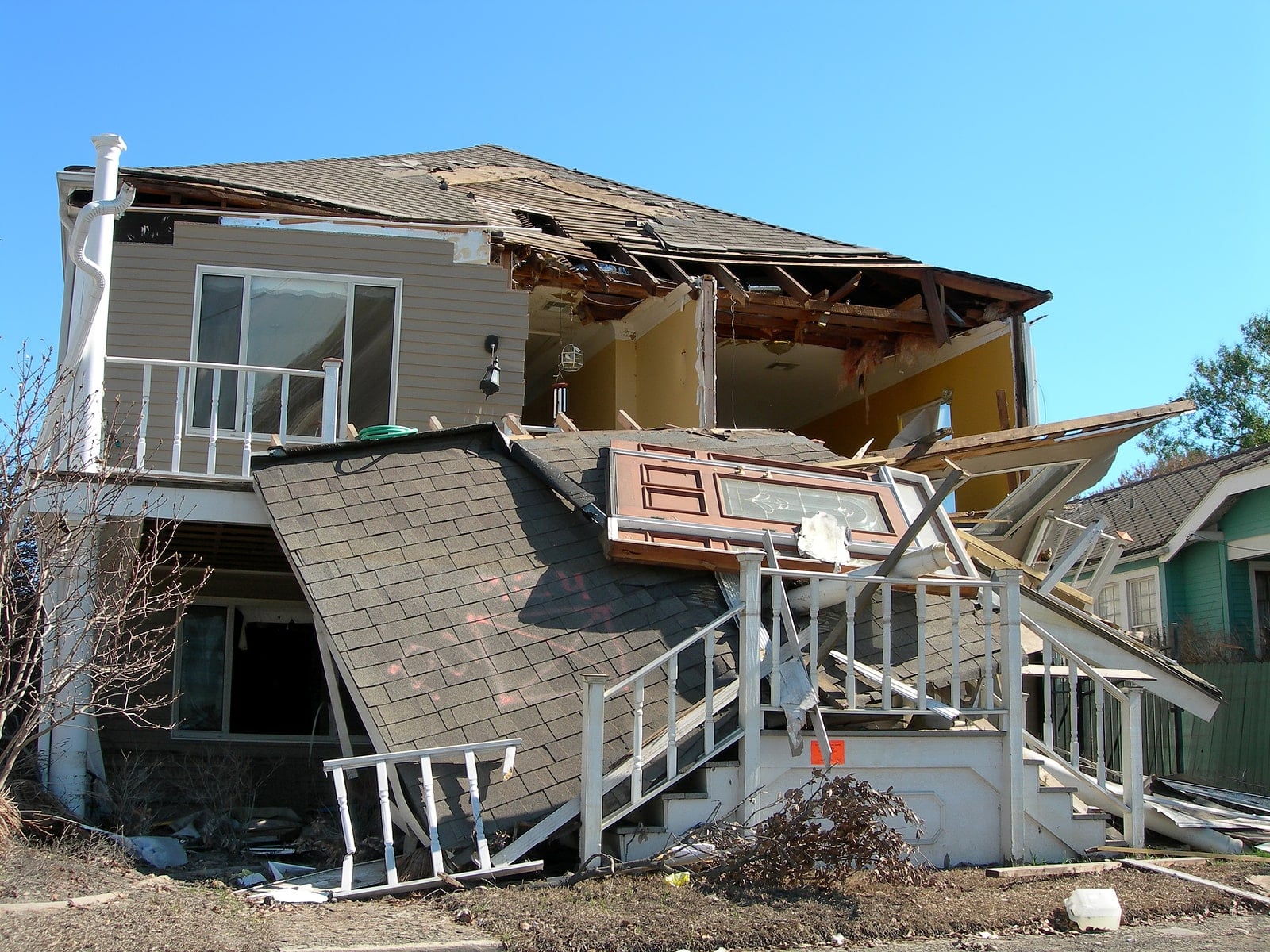
Central Florida weather has a way of turning a small issue into a big one fast. A roof leak after a storm, water coming in around a window, or minor flooding from a clogged line can all create ideal conditions for mold growth if drying is delayed. Public health guidance is consistent on this point. Drying the home and removing water-damaged items is the most important step to prevent mold damage after flooding, and standing water for even 24 hours can allow common molds to begin taking hold.
That compressed timeline catches people off guard. They assume if they get to it “this weekend,” they are still on top of it. Sometimes they are not.
This is where storm damage restoration Florida homeowners seek after severe weather often overlaps with mold concerns. The visible water may be in flooring, drywall, or contents, but the HVAC system can also be affected if moisture reaches components or if the house stays damp long enough. When that happens, waiting for odors to go away on their own is usually not a sound plan.
Fast action matters because water damage restoration and mold remediation are connected, but they are not identical. Drying is the first priority. If mold is already established, remediation may then be needed as a separate step.
Why mold keeps coming back after cleaning
A recurring complaint goes like this: “We cleaned it, and it came right back.” Florida health guidance addresses exactly that problem. If mold returns quickly, the underlying leak or moisture source should be fixed first.
That sounds simple, but in homes it can be frustratingly hard to pin down. Moisture may be coming from more than one place. A house might have elevated indoor humidity, a small hidden leak, and poor ventilation in the same season. It is also possible for one event to trigger another. A storm leak can wet materials, and then a struggling HVAC system can fail to dry the indoor environment effectively.
This is one reason experienced professionals tend to look at the whole moisture picture instead of just the visible colony. Is the issue tied to a recent water loss? Is indoor humidity consistently high? Is the contamination localized or showing up in multiple rooms? Has the odor changed after weather events? Answers to those questions shape the response.
For homeowners in need of mold remediation Lake County or nearby communities, the useful question is not just “How do I remove the mold?” It is “Why is this area still getting enough moisture to support it?”
Where standards and training matter
When mold, water, or HVAC contamination is suspected, training matters. The restoration field uses recognized standards for these scenarios. IICRC publishes standards relevant to water damage restoration, mold remediation, HVAC assessment after water, fire, or mold damage, and fire and smoke damage restoration. In everyday terms, that means there is established guidance for how these problems should be evaluated and addressed.
That matters because a moisture issue can quickly cross categories. A storm loss may start as water intrusion, move into mold growth, and also leave strong odors behind. A kitchen fire may lead to fire damage restoration and odor elimination work, while the HVAC system also needs assessment because contaminants can travel through it. A severe event may require 24/7 emergency restoration because delays increase damage.
When homeowners hear a company describe itself as offering IICRC-certified remediation, that phrase should signal a commitment to work shaped by recognized restoration standards. It does not make every job simple, but it does suggest the team should understand how to approach water, mold, HVAC, and fire-related damage in a disciplined way.
Not every dirty vent means mold
This is an important trade-off to keep in mind. Not every dark mark around a register is mold. Dust and normal grime can accumulate, especially in humid conditions where particles stick to surfaces more easily. That is why visual assumptions are not enough.
At the same time, not every mold problem looks dramatic. Some of the most persistent indoor moisture issues begin with a light musty odor and a slight sticky feel in the home. People get used to it. They run the AC lower. They light candles. They wipe the vent cover. Months later, they are dealing with a broader problem.
The practical middle ground is to avoid both extremes. Do not ignore signs that moisture is hanging around, and do not assume every smudge is a disaster. The best decisions usually come from matching visible conditions with the moisture story of the house.
Older homes and the asbestos question
In Central Florida, some restoration and remediation work takes place in older homes, and that raises another issue that should not be skipped over. EPA guidance says asbestos may be found in learn more older homes and buildings, and that renovation or damage to materials such as floor tile, ceiling tile, pipe wrap, siding, or shingles can disturb it. If suspected asbestos-containing material is damaged, or if planned work could disturb it, EPA advises using a properly trained and accredited asbestos professional.
That matters because mold and water work sometimes involves opening walls, removing old flooring, or dealing with damaged ceiling materials. In parts of Lake County and nearby areas, a homeowner looking for asbestos abatement Groveland FL services may be doing so because a moisture or restoration project uncovered older materials that should not be disturbed casually.
Florida’s asbestos program is intended to minimize the release of asbestos fibers during abatement, remediation, handling, and disposal of asbestos-containing materials. The state’s Central District includes Lake, Orange, Seminole, and Osceola counties, which fits how many Central Florida restoration projects are discussed regionally.
The overlap here is practical, not dramatic. A house can have an HVAC-related moisture issue and also contain older materials that require extra care during remediation. One problem should not create another.
When other restoration services enter the picture
Mold linked to HVAC and humidity is often part of a larger event. A few examples show how quickly the scope can widen.
After a storm, a home may need storm damage restoration Florida services to address water intrusion, drying, and damaged materials. If wet conditions persist, mold remediation may follow. If sewage, contaminated water, or another unsafe exposure is involved, biohazard cleanup procedures may be necessary as part of a broader restoration response. If a small fire or electrical event sends smoke through the system, fire damage restoration and odor elimination may become part of the job, along with HVAC assessment.
These situations are not interchangeable, but they do overlap. That is one reason homeowners benefit from a restoration team that sees the whole chain of damage instead of treating each symptom as isolated.
A sensible response when you suspect HVAC mold
The best first moves are usually calm, practical, and time-sensitive. Panic leads to rushed decisions. Delay leads to more moisture exposure. What helps is a simple sequence.
- Pay attention to the pattern, especially odors, humidity, visible growth, and recent water events
- Address obvious moisture sources quickly, because standing water and wet materials should not sit
- If humidity stays above 60 percent without extra dehumidification, have the central system examined for problems
- If mold returns quickly, focus on locating and fixing the moisture source first
- If the HVAC system may be contaminated with mold, consult appropriate guidance and qualified professionals before taking further action
That sequence keeps the main issue in view. The goal is not just to remove visible mold. The goal is to restore dry, stable indoor conditions so the problem does not rebound.
The everyday habits that support a drier house
There is no single trick that makes a Florida house mold-proof. Homes stay healthier when moisture control is treated as an ongoing practice instead of a one-time fix. Florida health guidance highlights moisture control and ventilation, and those two ideas carry a lot of weight in daily life.
That means noticing when the house feels more humid than normal. It means taking leaks seriously, even small ones. It means not ignoring that one room that always smells stale after rain. And it means recognizing that if your air conditioner is cooling but not drying, the system may need attention.
People sometimes feel disappointed when they learn the answer is not a miracle spray or a quick vent cleaning. But there is good news in that too. Moisture problems can often be understood logically. If you control the water, improve drying, and address system issues, you remove the conditions mold needs.
That is the real heart of HVAC mold concerns in Central Florida homes. Humidity and system performance are often connected, and the connection is not theoretical. It shows up in how the house smells, how it feels, how quickly wet materials dry, and whether mold keeps coming back. Once you see the problem through that lens, the next steps become much clearer.
EnviroTech Solutions
15380 CR 565A Suite E
Groveland, FL 34736
Phone: 321-758-9787
Website: https://envirotechsolutionsfl.com
EnviroTech Solutions provides asbestos abatement, mold remediation, water damage restoration, fire damage restoration, biohazard cleanup, odor elimination and storm and disaster restoration across Central Florida. 24/7 emergency service is available.