Generators, Floodwater, and Hidden Damage: Post-Storm Safety Lessons for Central Florida Properties
Storm damage in Central Florida rarely stops at the obvious. A torn shingle, a wet carpet, or a downed fence gets attention fast. The harder problems are the ones that stay quiet for days or weeks, especially after heavy rain, flooding, or a hurricane. A generator parked too close to the house. Moisture trapped inside wall cavities. A sewage backup in a room that looks only lightly affected. An HVAC system that keeps running, while spreading humid air through a building that never fully dried.
In Groveland and the rest of Lake County, that pattern shows up again and again. The climate does not give buildings much grace. Long humid stretches, wind-driven rain, and storm season can turn a small leak into a mold problem before owners realize what happened. That is why post-storm recovery is not just about cleanup. It is about judgment, timing, and knowing which hazards need a broom and which ones need a licensed pro.
What follows is the practical side of storm recovery, the kind of advice that matters when the lights are out, the floor is wet, and everybody wants the property back to normal by the weekend.
The first danger is often the one you cannot see
After a storm, people naturally focus on what changed in plain sight. Water on the floor. Branches on the roof. Smoke odor from an electrical issue. But many of the biggest safety problems are invisible at first.
Floodwater can carry contamination. Sewage backups create health risks even when the mess looks contained to one bathroom or utility room. Damp drywall may still feel solid for a day or two, even while moisture is locked inside. Carbon monoxide from a generator has no warning smell. An air conditioner may seem like it is helping, but if there is a moisture source feeding mold somewhere in the system or building, comfort can become a false signal.
That is why reentry after a flood or storm should begin with safety, utilities, and contamination concerns, not with furniture moving or cosmetic fixes. It is also why documentation matters early. Before major cleanup changes the scene, take photos and communicate with your insurer. That one step can make the rest of the repair process much smoother.
Generators solve one problem and create two more
Every storm season in Florida, generators save food, preserve medications, and keep basic operations running. They are also one of the quickest ways to turn a stressful recovery into a medical emergency or a fire.
The most common mistake is placement. People want the machine close for convenience, weather protection, or security. That instinct is understandable and dangerous. A generator near doors, windows, garages, or covered spaces can introduce carbon monoxide into occupied areas. After a storm, when people are tired and sleeping lightly in hot houses, that risk gets worse.
The second mistake is treating a generator like a permanent bridge instead of a short-term tool. Extension cords snake through wet areas. Fuel gets stored carelessly. The machine runs longer than planned because restoration takes longer than expected. The danger rises with every hour.
A safer approach starts with a pause. Before you pull the cord or flip the switch, think through where exhaust is going, how the unit is being fueled, and whether anyone in the home is depending on closed windows for comfort. Storm recovery often invites improvisation. Generator use is one place where improvisation can go very wrong.
If there is any silver lining here, it is that generator safety is usually a preventable problem. Most post-storm property damage is not fully preventable. Carbon monoxide exposure from poor placement often is.
Floodwater is not just water damage
People sometimes use the phrase water damage cleanup Central Florida as if all wet materials are equal. They are not. A supply line leak in a clean utility closet is one thing. Floodwater entering from outside is another. Once storm or floodwater moves through a property, the cleanup conversation changes. So do the health concerns.
Flooded homes can contain both mold and sewage contamination. Even if there is no obvious backup from a drain or toilet, outside floodwater can bring in debris and pollutants that make casual cleanup a bad idea. A mop and household fan may spread contamination rather than solve it.
There is also a time problem. Water that sits in Florida humidity does not stay a simple drying job for long. Porous materials absorb and hold moisture. Cabinet toe-kicks, baseboards, subfloors, insulation, and the lower edges of drywall often take damage long before the center of the room looks bad. By the time staining appears, the moisture may already be migrating elsewhere.
This is where people lose money trying to save the wrong things. They keep waterlogged boxes in the garage for sorting later. They stack wet rugs on a covered porch. They leave padded furniture indoors because it still looks “mostly fine.” In my experience, delayed decisions often cost more than hard decisions made early.
Food exposed to flood or storm water is another area where false optimism causes trouble. When in doubt, it is safer to discard exposed food than to gamble on it.
Hidden moisture is what turns a storm event into a mold project
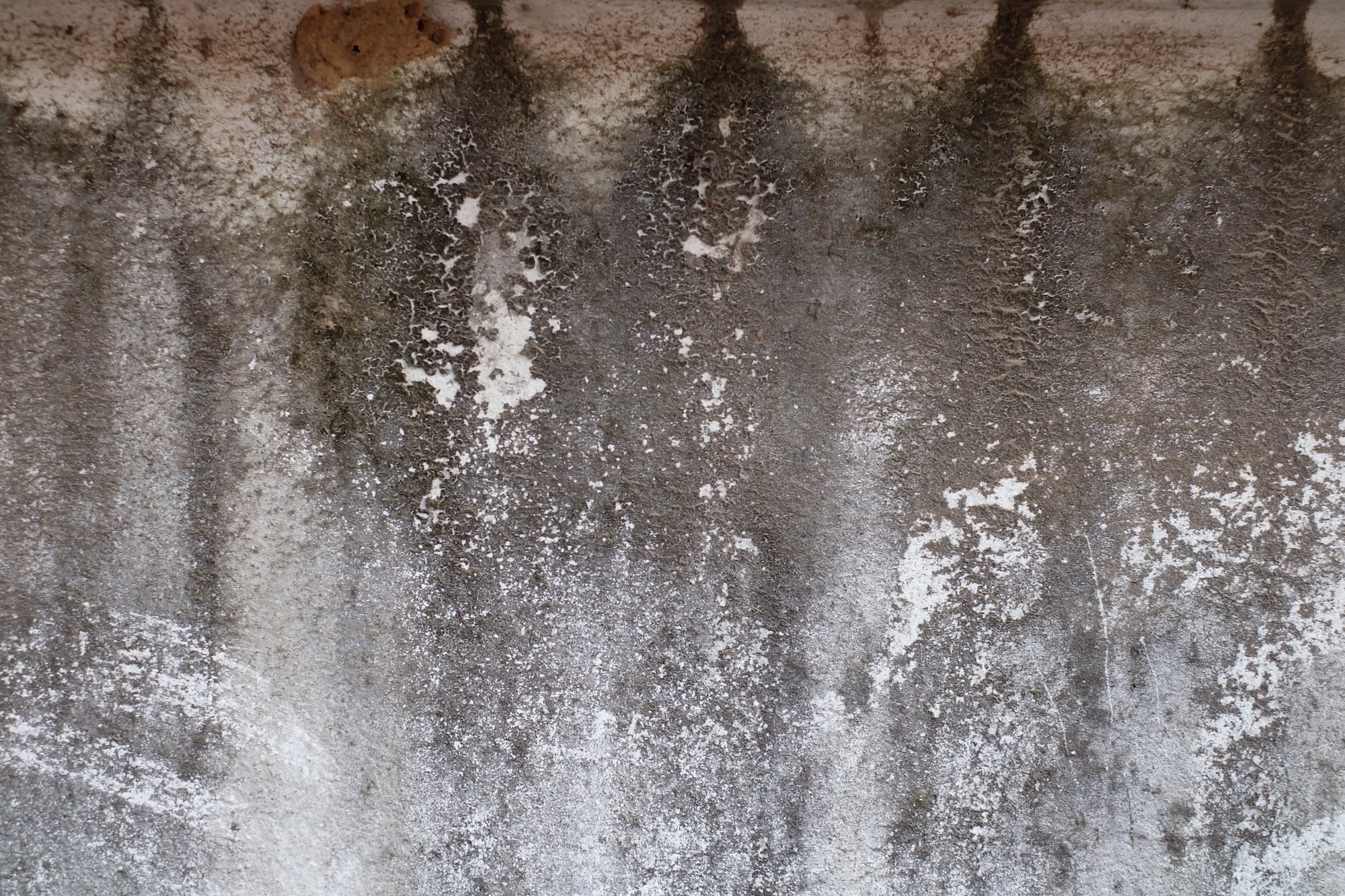
Visible mold gets attention. Recurring mold should get even more. Florida health guidance is clear on one point that many owners miss: if mold keeps returning, the moisture source likely has not been fixed. Wiping down the surface, repainting, or running a scented diffuser does not solve the building issue.
In Central Florida, the usual suspects are familiar. Roof leaks after wind damage. Plumbing leaks that went unnoticed during the storm. Condensation from cooling equipment. Poor bathroom or kitchen ventilation. Flooding. HVAC or drain-pan problems. Sometimes it is one source. Sometimes it is two or three at once, which is why a room can smell musty even after one obvious leak is repaired.
The temptation is to search for mold only where the staining appears. In practice, the source and the visible growth do not always line up neatly. A damp wall cavity may not telegraph what is happening on the other side. Moisture in the return side of an air system can affect multiple rooms. A drain-pan issue can look minor and still keep indoor humidity elevated.
If a central AC system is being used to lower humidity below 60 percent, Florida guidance says the system should be examined for problems. That detail matters because many owners assume the system is doing its job simply because it is learn more blowing cold air. Cooling and moisture control are related, but not identical. You can have acceptable temperature and poor humidity performance at the same time.
That is one reason HVAC mold remediation comes up so often after storms. People focus on the room that got wet and overlook the air-handling side of the property. Then, a week later, they notice a sour smell when the system cycles on. It is not always a mold problem inside the HVAC equipment, but it is a possibility that deserves real inspection, especially if there were drain-pan, condensation, or prolonged humidity issues.
When cleanup crosses the line into remediation
There is a difference between housekeeping and remediation, and storm events blur that line quickly. Wiping down hard surfaces, removing obviously ruined items, and setting aside damaged belongings can be reasonable early steps. But contamination, recurring moisture, and hidden damage often move the work into a category that requires more than determination and a box fan.
A sewage cleanup is one example. Once wastewater is involved, the risk profile changes. Protective precautions matter. Isolation of affected areas matters. Casual traffic through contaminated spaces matters. Families often underestimate how easy it is to spread residue from one room to another on shoes, tools, or moved items.
The same is true when odor becomes the main concern. Odor removal sounds cosmetic, but persistent smells often point to an unresolved source. Wet materials left in place. Smoke residue after a small electrical fire. Contamination in absorbent surfaces. Duct-related moisture. If a property still smells off after the visible mess is gone, that is useful information, not an annoyance to cover up.
And then there is the issue no one wants to hear: some storm recovery work exposes older hazards that had nothing to do with the storm itself. Homes built before 1978 may contain lead-based paint. Major renovation or repair work can disturb it. Older materials may also raise asbestos concerns during demolition or rebuild phases. That is where Groveland FL asbestos testing or broader evaluation can become part of a storm project, especially if wallboard, flooring, ceilings, or older insulation systems are being disturbed. When asbestos-containing materials are involved, renovation and demolition work must follow applicable rules. For owners in this area, that often means talking with a qualified remediation company Lake County property owners can rely on before cutting, tearing out, or rebuilding older assemblies.
Asbestos abatement Lake County projects are not always large dramatic jobs. Sometimes the issue surfaces only because flood or hurricane damage forced repairs that finally opened up older construction. The storm did not create the hazardous material, but it brought it into the decision-making process.
The first 24 hours shape the next 24 days
There is a real difference between a property that stabilizes quickly and one that spirals into secondary damage. The first day matters more than most people think, particularly after flood, smoke, or fire events.
After a fire, the first 24 hours are important for safety checks, salvaging what is safe, and getting the insurance and recovery process started. That same urgency applies after storms, even if the event was not a fire. Fast action does not mean rushed demolition. It means smart stabilization, careful documentation, and the discipline to avoid making things worse.
Here are five early priorities that tend to protect both health and the eventual repair budget:
- Make sure reentry is safe, especially around utilities, structural concerns, and contamination.
- Document the damage before major cleanup changes the scene.
- Separate obviously unsalvageable items from those that may be restorable.
- Address standing water and active moisture sources as soon as it is safe to do so.
- Contact your insurer and ask direct questions about coverage, next steps, and records to keep.
That third step deserves more attention than it gets. People often either throw away too much, too soon, or keep everything in hopes that all of it can be saved. Neither extreme works well. Good judgment matters. So does a clear inventory. Insurance is a legal contract, and questions should be asked early rather than guessed at later.
Why small stains and soft smells deserve respect
Some of the worst post-storm problems start with details that seem too minor to matter. A faint water line near a baseboard. A powder room that smells earthy by afternoon. A closet that feels humid even with the AC running. A register that gives off a stale odor after the system has been off all night.
People brush these signs aside because life is busy and the room is still usable. Then a few weeks pass, and the problem has roots. Mold removal Groveland homeowners need is often tied to this exact delay. Not every musty smell means extensive contamination, but every persistent smell deserves a reason.
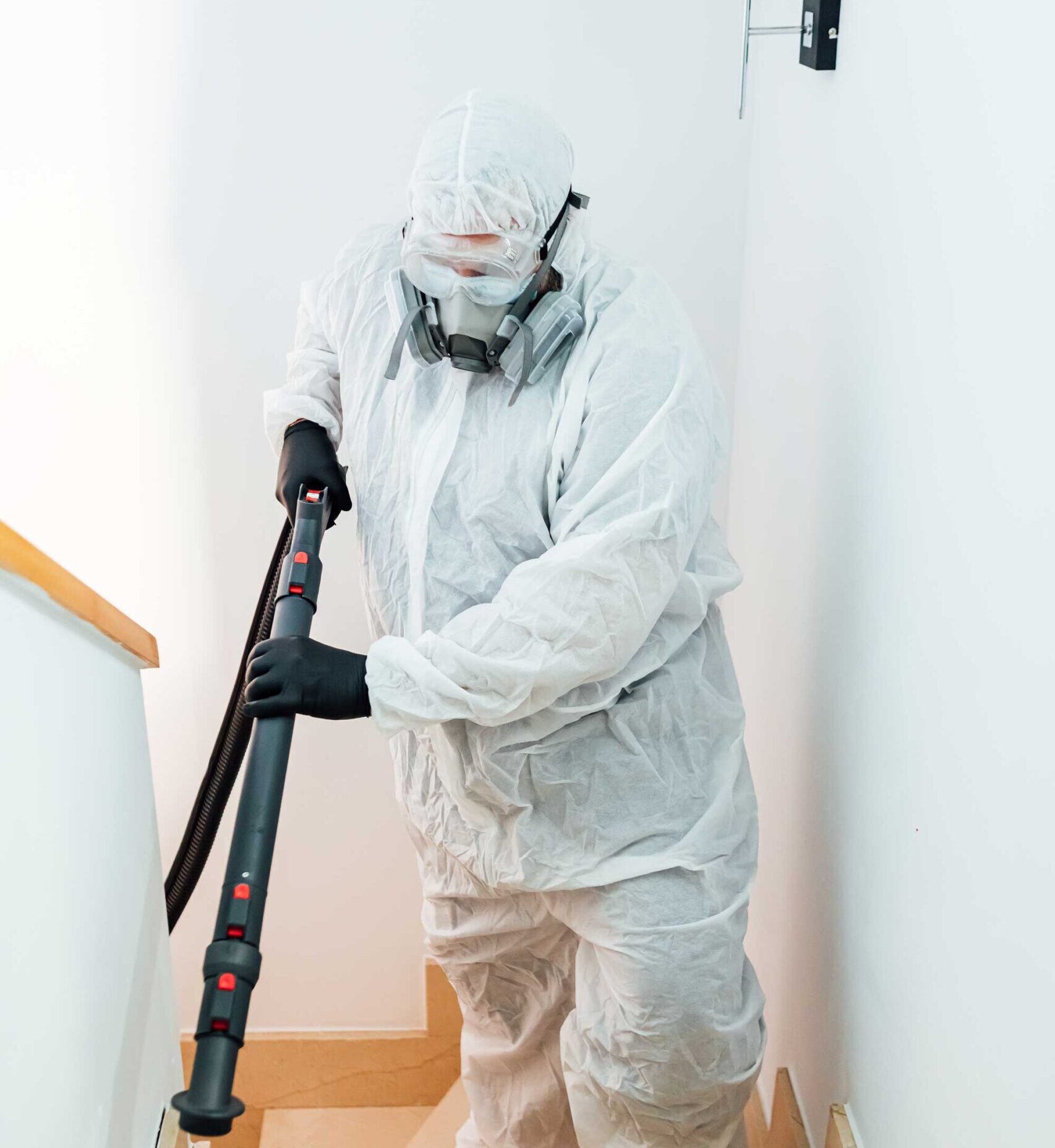
Moisture in Florida buildings is opportunistic. It moves toward materials that hold it, then lingers where airflow is poor. Behind stored items in closets. Under vinyl flooring. Around HVAC components with condensation issues. Near roof penetrations after wind-driven rain. In utility spaces people do not inspect often enough.
A practical rule is simple: if an area keeps drying out and then getting damp again, or if visible mold returns after surface cleaning, the source is still active or the affected material never truly dried. That is the point where repeating the same light cleanup stops being productive.
Storm damage often arrives in combinations
Many restoration calls are not single-problem jobs. They are layered. A hurricane may break a window, soak flooring, overload a drain, and leave the power out long enough for humidity to build through the whole house. A small post-storm electrical issue can add smoke residue to moisture damage. A flooded addition can push odor into the central system. What started as hurricane damage restoration Florida property owners expected to be straightforward becomes a mix of water, contamination, and air-quality concerns.
That is one reason emergency restoration services have to be evaluated with a broader lens than just extraction or tear-out. A building can need drying, contamination controls, odor removal, and material-specific decisions all at once. It can also need patience. Owners want certainty on day one, but some damage reveals itself only as areas are opened and dried.
This layered reality is especially important in older homes and commercial spaces. When repairs move from cleanup into reconstruction, hidden conditions may appear. That could mean older paint systems. It could mean materials that warrant asbestos review before they are disturbed. It could mean repeated moisture signs that point back to an HVAC issue no one connected to the storm at first.
Questions worth asking before work begins
When emotions are running high, people tend to ask one question: “How fast can you get here?” Fair question. It should not be the only one. A better conversation also covers contamination, moisture source correction, inspection of HVAC-related problems, and whether the age of the property changes how demolition should be handled.
A few questions can quickly separate thoughtful storm recovery from rushed cosmetic work:
- What is the likely moisture source, and has it actually been stopped?
- Is there any sign of contamination from sewage or floodwater that changes the cleanup approach?
- Does the HVAC system need to be examined because of humidity, drain-pan, or mold concerns?
- Will the planned repair disturb older materials that may require testing or regulated handling?
- What should be documented now for the insurance claim before further work changes conditions?
That fourth question matters more in Lake County than many owners realize, simply because older buildings are still in use and storms often force invasive repairs. If walls, ceilings, or flooring are coming apart, it is wise to slow down long enough to ask whether hazardous materials could be part of the picture.
What “back to normal” should really mean
After a storm, people often define success too narrowly. The carpet looks dry. The breaker is back on. The smell is lighter. The ceiling stain was painted. But a property is not really back to normal if hidden moisture remains, if the air system is part of the problem, or if contamination was treated like ordinary dirt.
Real recovery is less glamorous. It means the moisture source was addressed. It means visible or recurring mold was not just covered over. It means flood-affected materials were evaluated with contamination in mind. It means food exposed to storm water was discarded. It means older materials were not disturbed carelessly during repairs. And it means the owner understands what happened well enough to watch for relapse.
That last part is easy to overlook. Buildings tell on themselves. A new stain, a returning odor, a room that stays humid, a register that smells stale, a bathroom ceiling that keeps spotting, these are not random annoyances. They are follow-up clues.
For property owners in Groveland and across Central Florida, the safest mindset after a storm is neither panic nor denial. It is disciplined curiosity. What got wet? What stayed wet? What might have been contaminated? What is being missed because it is behind a wall, above a ceiling, or inside the air system? Those are the questions that prevent a weekend cleanup from turning into a much larger restoration months later.
And if the answers suggest more than a simple mop-and-fan job, trust that instinct. The right help at the right moment, whether for water damage cleanup Central Florida properties often need, sewage cleanup, fire and smoke damage cleanup, odor removal, mold concerns, or older-material evaluation, is usually cheaper than guessing wrong twice.